FL Alzheimer's Classification
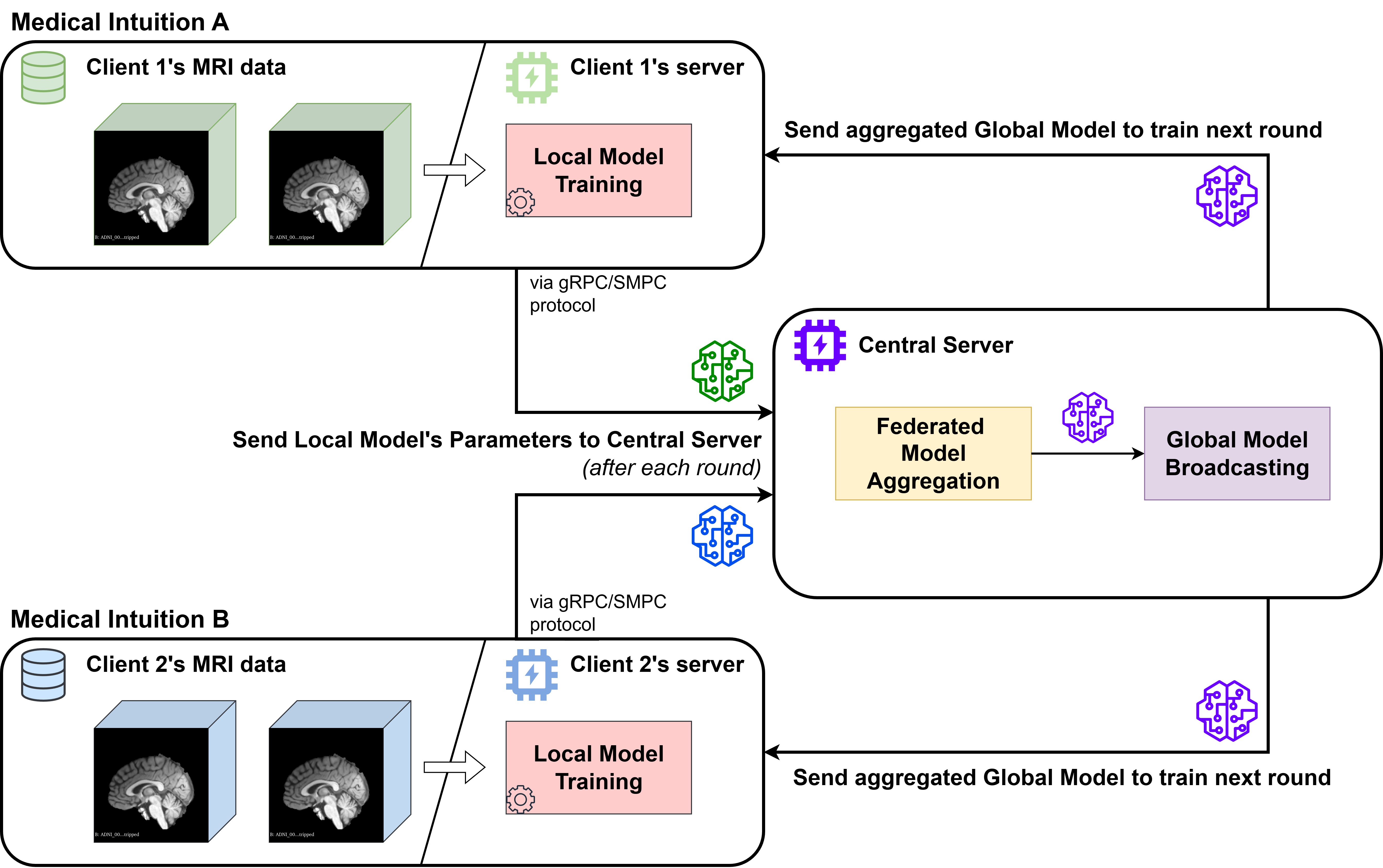
MSc dissertation investigating privacy-preserving federated learning for Alzheimer's Disease classification using 3D MRI data from ADNI, introducing a novel Adaptive Local Differential Privacy mechanism.
After 7 years building AI systems in production, I moved to the UK to pursue my MSc and dive deeper into research.
My interests span Computer Vision, Federated Learning, MLOps, Cloud and building AI systems that are scalable, reliable, and responsible.
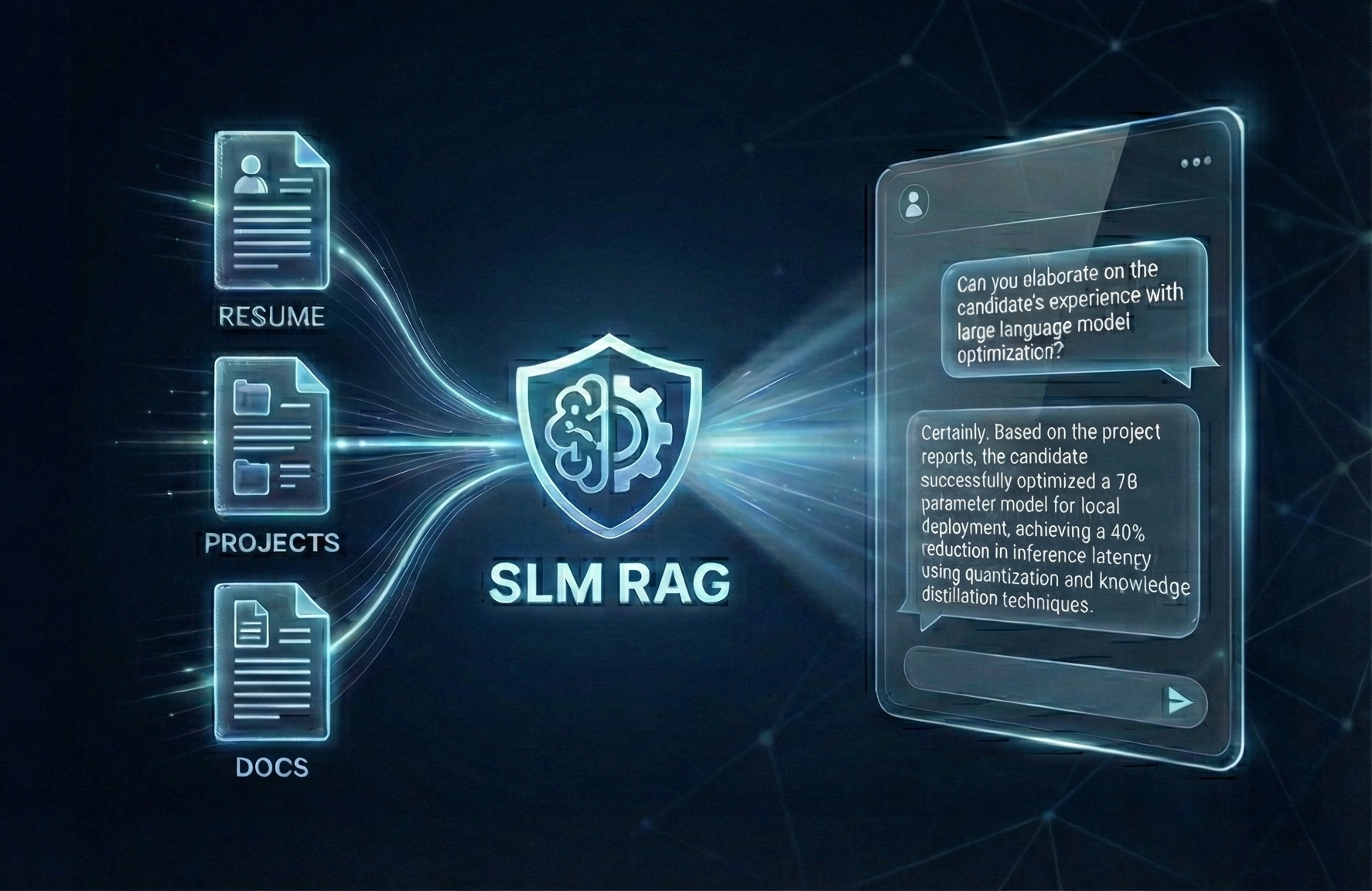
I built a chatbot that knows my entire professional history. It uses RAG (Retrieval-Augmented Generation) with a small language model to answer questions about my experience, projects, and research. Give it a try!
Powered by RAG + SLM
What's Tin's experience with deep learning?
Tin has over 6 years of experience in deep learning, specializing in computer vision and OCR. He developed LODENet, a novel architecture for text recognition that was published at ICPR 2020. Currently, he's researching federated learning for medical AI applications at the University of Surrey.
Try asking:
Built with SLM • Retrieval-Augmented Generation • Hosted on HuggingFace
From tinkering with computers in Vietnam to researching AI in London — here's how I got here.
📍 Vietnam
Born and raised in central Vietnam. Between monsoon seasons and power outages, I spent hours on the family computer—fascinated by how these machines worked.
“UK weather is "bad"? Try typhoon season in VN.”
📍 Vietnam
Learned Pascal in school for competitive programming. Solving algorithm puzzles became the thing I looked forward to most—strange hobby for a teenager, but it stuck.
📍 Ho Chi Minh City
Studied Computer Science at UIT. Got lucky to be selected for the honor talent program. My first ML project on traffic sign detection led me down the rabbit hole.
“Spent weeks just trying to install Caffe to run Faster RCNN.”
📍 Cinnamon AI
Joined as a fresh graduate knowing very little about production AI. Switched to PyTorch and started learning how real ML systems work. The learning curve was steep, but I found people willing to teach me.
“Seeing my OCR model deployed to almost all Flax projects—learned that research novelty and real-world impact can go hand in hand.”
📍 ICPR 2020
Published research on Japanese handwriting recognition. What started as a probation project turned into something I'm still proud of—though looking back, I had no idea what I was doing at first.
📍 Cinnamon AI
Started enjoying working with Cloud/Infra. It began with solving AI Researchers' friction with AWS SageMaker, turning into owning the whole company cloud later on.
📍 Japan Patent Office
Filed a patent (co-inventor) for our character recognition technology. Seeing our research translated into legal claims was a new experience—marking the transition from academic novelty to commercial asset.
📍 Cinnamon AI
Started leading small teams and mentoring junior engineers. Realised that helping others grow is just as rewarding as the technical work—sometimes more.
Passed the Solutions Architect Professional exam. Those three hours were brutal, but managing cloud infrastructure at work had taught me more than any study guide.
“Pro tip: don't take a 3-hour exam on an empty stomach.”
📍 University of Surrey, UK
After 6 years in industry, I took the leap—moved to the UK to pursue an MSc in AI and deepen my research foundations. A chance to grow beyond what I knew.
“Leaving everything familiar behind to chase a dream.”
📍 University of Surrey, UK
Graduated with Distinction from my master in AI degree.
“Dissertation: "Federated Learning for Privacy-Preserving Alzheimer's Disease Classification on 3D MRI Data"”
📍 London, UK
Now I am building tools, believing in open source AI, and trying to figure out what comes after graduation.
“Still learning, still curious.”
A glimpse into what's keeping me busy these days.
A RAG system that knows everything about me
Federated Learning research
Privacy-preserving AI for Alzheimer's classification
GenAI
Building with AI
Agility
Adapting to VUCA world
Cooking
Fancying Vietnamese food
AI Engineering - by Chip Huyen
Learning a framework for developing an AI application
Designing Data-Intensive Applications - by Martin Kleppmann
Good systems start with strong data design
AI/ML papers
Always learning
Age of Empires IV
Strategy games keep my mind sharp
StarCraft II
Protoss is the best!
Path of Exile
PoE Skill Tree urges me to plan ahead
Fun fact: I've been playing Age of Empires since I was a kid. It taught me more about resource management than any business book. 🏰
A selection of projects from my research and engineering work. From academic papers to production systems.

MSc dissertation investigating privacy-preserving federated learning for Alzheimer's Disease classification using 3D MRI data from ADNI, introducing a novel Adaptive Local Differential Privacy mechanism.

Profile-aware RAG chatbot that uses small language models, retrieves vectorized resume/profile data, and serves responses locally via Ollama + Streamlit.

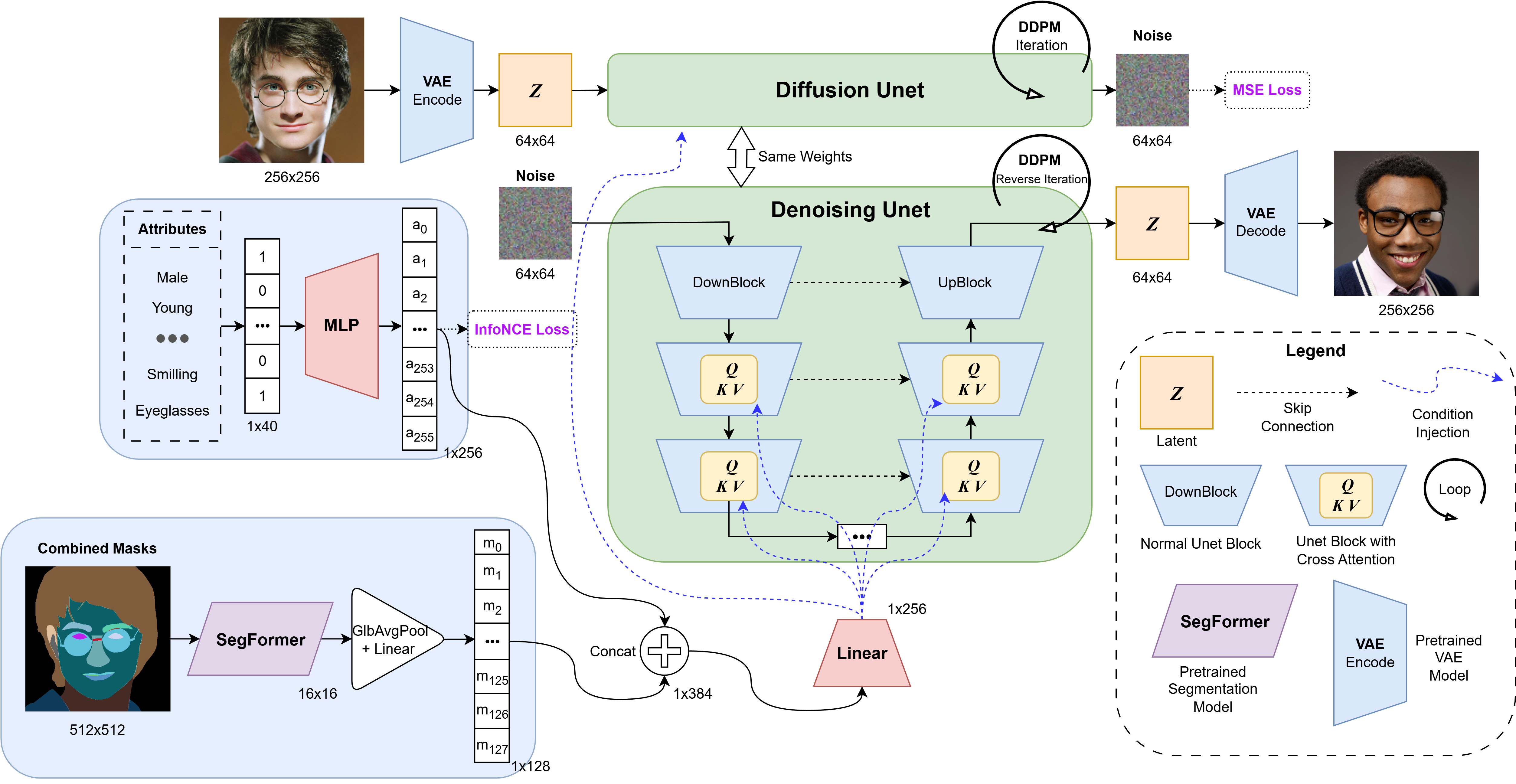
Benchmark study comparing UNet and DiT architectures for unconditional generation, with novel InfoNCE contrastive loss and SegFormer-based segmentation for attribute-conditioned face synthesis.
Thoughts on AI, MLOps, and lessons learned from building production systems.
I used to think we were the 'middle children of history', born too late to explore the earth, too early to explore the stars. I was wrong. We are the architects of a new species. The question is no longer how to build AI, but what happens when the tool becomes the master.
Technical seniority used to be measured by what you knew. Now, it is measured by what you allow. As AI automates the 'how,' a Senior Engineer's value has moved from execution mastery to the ruthless management of intent and technical debt.
In a world where AI has democratised competence, 'good enough' is no longer sufficient. To survive and thrive, we must cultivate original thinking and a strategic business mindset—becoming the outlier in the dataset.